
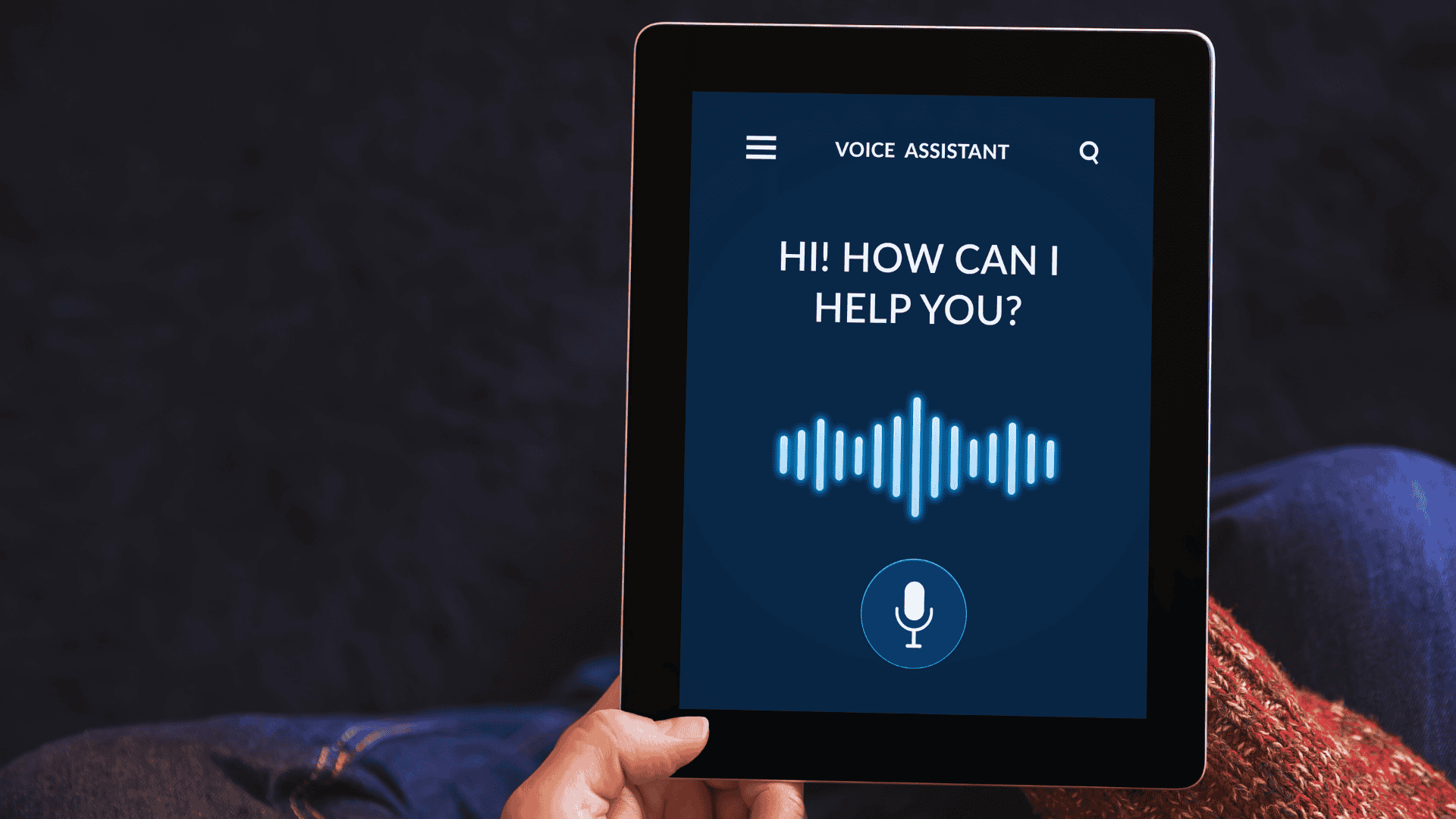
Voice-activated technology has increasingly become an integral part of daily life, offering convenience and efficiency through simple voice commands. As it gains popularity, users often weigh the advantages against the drawbacks. This technology can streamline tasks and improve accessibility, but potential privacy concerns and reliability issues may pose significant challenges.
The benefits of voice-activated technology include hands-free operation, ease of use, and the ability to integrate with smart home devices, making it appealing to many consumers. Users can quickly obtain information, control appliances, and manage schedules without physical interaction. Yet, the reliance on internet connectivity and the occasional misinterpretation of commands can lead to frustration and inefficiency.
Additionally, individuals may have legitimate concerns about data privacy and security. Many voice-activated devices store user data to improve functionality, which raises questions about how that information is managed and protected. Understanding both the positive and negative aspects can assist users in making informed decisions about incorporating this technology into their lives.
Defining Voice-Activated Technology and Its Core Functions
Voice-activated technology enables users to interact with devices through spoken commands. This section outlines how voice commands function, explores advancements in voice and speech recognition, and identifies key devices along with their applications.
How Voice Commands Work
Voice commands utilize a combination of hardware and software to interpret spoken language. When a user gives a command, the device records the audio and processes it for recognition.
This process involves several stages:
- Audio Capture: The device captures sound using a microphone.
- Signal Processing: The audio signal is converted into digital data.
- Recognition: Algorithms analyze the digital data against pre-defined voice recognition models.
When successful, the device executes the desired command, like adjusting volume or turning on lights. This technology often relies on cloud services for complex tasks.
Advances in Voice and Speech Recognition
Recent improvements in voice and speech recognition have significantly enhanced the accuracy and responsiveness of systems. Modern algorithms utilize machine learning techniques, enabling devices to learn from user interactions.
Key advancements include:
- Natural Language Processing (NLP): This technology allows devices to understand context and nuances in human speech.
- Voice Adaptation: Some systems can adapt to individual users’ speech patterns for improved recognition.
These innovations lead to more seamless interactions and better user experiences across various platforms.
Key Devices and Everyday Applications
Voice-activated technology can be found in multiple devices, making it a versatile tool in everyday life. Common devices include:
- Smart Speakers: Products like Amazon Echo and Google Nest allow users to control music, smart home devices, and information retrieval through voice.
- Smartphones: Integrated voice assistants, such as Siri and Google Assistant, enable hands-free operation for tasks like messaging and navigation.
These devices facilitate various applications, including home automation, online shopping, and accessing information, significantly enhancing convenience and productivity for users.
Advantages of Voice-Activated Technology
Voice-activated technology offers significant benefits that enhance user experience in various aspects. Key advantages include convenience in daily tasks, improved accessibility for individuals with disabilities, and increased productivity.
Enhanced Convenience in Daily Life
Voice commands simplify everyday tasks, allowing users to control smart home devices, play music, or get information hands-free. For example, someone can turn on the lights or adjust the thermostat with a simple phrase.
This technology enables multitasking, as users can carry out activities while using voice commands for different tasks. A quick command can set reminders, send messages, or make calls without needing to interact with a screen.
Many devices integrate voice activation, which creates a seamless experience. This convenience saves both time and physical effort, leading to a more efficient lifestyle.
Accessibility for Users with Disabilities
Voice-activated technology plays a crucial role in improving accessibility for users with disabilities. For those with mobility challenges, voice commands provide a means to interact with devices without physical effort.
Individuals with visual impairments can benefit from voice navigation and commands for various applications. This technology allows them to access information and control devices independently.
Moreover, in conditions such as ALS, where movement is limited, voice activation can significantly enhance daily living. This support empowers users to manage their environment with greater autonomy.
Boosting Productivity and Multitasking
In professional settings, voice-activated technology enhances productivity by allowing hands-free operation. Users can manage emails, schedule appointments, and conduct searches while focusing on other tasks.
Voice commands can streamline workflow in busy environments. This efficiency enables workers to maximize output without compromising quality.
For instance, a project manager may dictate updates while reviewing documents. This simultaneous capability helps maintain momentum and reduces interruptions, leading to better time management.
Challenges and Limitations of Voice-Activated Technology
Voice-activated technology presents significant challenges that affect user trust and functionality. Key issues include privacy concerns, accuracy in understanding speech, and reliance on internet connections.
Privacy Concerns and Data Security Risks
Privacy is a major concern for users of voice-activated technology. These devices often require constant listening to detect commands, raising fears about unauthorized access to personal conversations.
Data security risks also arise from the storage of voice recordings. Companies may collect these recordings for improving service, which sometimes occurs without explicit user consent.
Users must be aware of how their data is used and stored. Knowledge about privacy policies and the ability to opt out of data collection are important for safeguarding personal information.
Accuracy Issues and Misinterpretation of Speech
Accuracy remains a hurdle in voice-activated technology. Factors such as accents, speech patterns, and background noise can lead to misinterpretation of commands.
This can result in incorrect actions or responses, affecting user satisfaction. In many cases, users may find themselves repeating commands or resorting to manual input to ensure tasks are completed correctly.
Efforts to improve accuracy often depend on machine learning algorithms that require extensive data, which can strain both technology and user patience.
Dependence on the Internet and Compatibility Barriers
Most voice-activated devices depend on stable internet connections to function effectively. This reliance can limit usability in areas with poor connectivity or during internet outages.
Compatibility with different devices and platforms also varies. Some voice-activated technologies may not integrate seamlessly with various smart home devices, creating inconvenience for users.
This fragmentation can lead to frustration as users navigate multiple systems. Ensuring compatibility and providing offline functionality are critical to enhancing the user experience.
Voice-Activated Technology in the Modern Home
Voice-activated technology has become a central element in many modern homes, streamlining daily tasks and enhancing home automation. Its integration with smart home devices brings both convenience and new considerations for users.
Integration with Smart Home Devices
Voice-activated technology seamlessly connects with various smart home devices, enhancing user experience. Smart speakers, thermostats, and lighting systems can all respond to voice commands, allowing individuals to control their environment effortlessly.
Key benefits include:
- Hands-Free Control: Users can control devices without manual intervention, making daily routines more efficient.
- Customization: Voice commands can be programmed for specific tasks, like adjusting the temperature or turning the lights on and off.
- Interoperability: Many systems work together, allowing for the creation of customized routines, such as setting the mood for movie night with a single phrase.
This integration simplifies complex tasks, making smart home technology accessible to a wider audience.
Balancing Convenience and Security
While the convenience of voice-activated technology is evident, security concerns must also be addressed. Homes equipped with these systems might become vulnerable to unauthorized access if proper measures are not taken.
Considerations include:
- Data Privacy: Voice assistants often collect and store personal data. Users should be aware of what information is being recorded and how it is used.
- Unauthorized Access: If devices are not secured, they could be accessed by individuals who may issue unwanted commands, such as unlocking doors or disabling alarms.
- User Awareness: Understanding privacy settings and regularly reviewing permissions can help safeguard personal information.
By balancing convenience with appropriate security measures, individuals can enjoy the benefits of voice-activated technology while minimizing risks.

